aipat.chDarren Sharman

Darren Sharman, Zürich

AI is great if you use it well.

I've spent 28 years in software as an engineer, a CTO and a CEO. Since March 2026 I've been building with AI agents full time. They write most of the code, and I'm the architect and product manager.

Work is going to change with AI, and I can help teams and businesses reshape for it. What I want to do more of: building with AI, helping companies do the same, helping teams bring it into their day-to-day work, and getting people ready for how their work will change.

projects
76
lines of code
1.18M
commits
6,554
automated tests
20,015

How it gets built

This is how something gets from my head onto my phone, with no human reviewer except me.

  1. Asking

  2. Planning

    • Spec the source of truth
    • Prototypes 3 to 5, then I pick
    • UX and UI bar a measurable floor
  3. Doing

  4. Proving

  5. Delivering

Always on

Tools in teal have their own project page.

Asking
I tell Control what I want, usually by voice. It knows every project and starts the work in the right one.
Planning
Every project has a spec, and the spec is the source of truth. Anything with a UI gets 3 to 5 working prototypes first. UI standards set a floor: 16px body text, 48px tap targets, and empty, loading and error states on every data screen.
Doing
A Claude works in each project, with the same rules as every other. What it learns goes into docVault, and Lore keeps every conversation. Each Claude searches both before it starts.
Proving
Nothing counts as done until it's proved. Test Gate blocks a push if the number of tests drops, the e2e testers walk the app like a user, and Quality scans for the mistakes AI tends to make.
Delivering
Pusher copies new builds to my machines, phone builds go over Tailscale, and releaseWarden is the only route to public code, through a six-step gate.
Always on
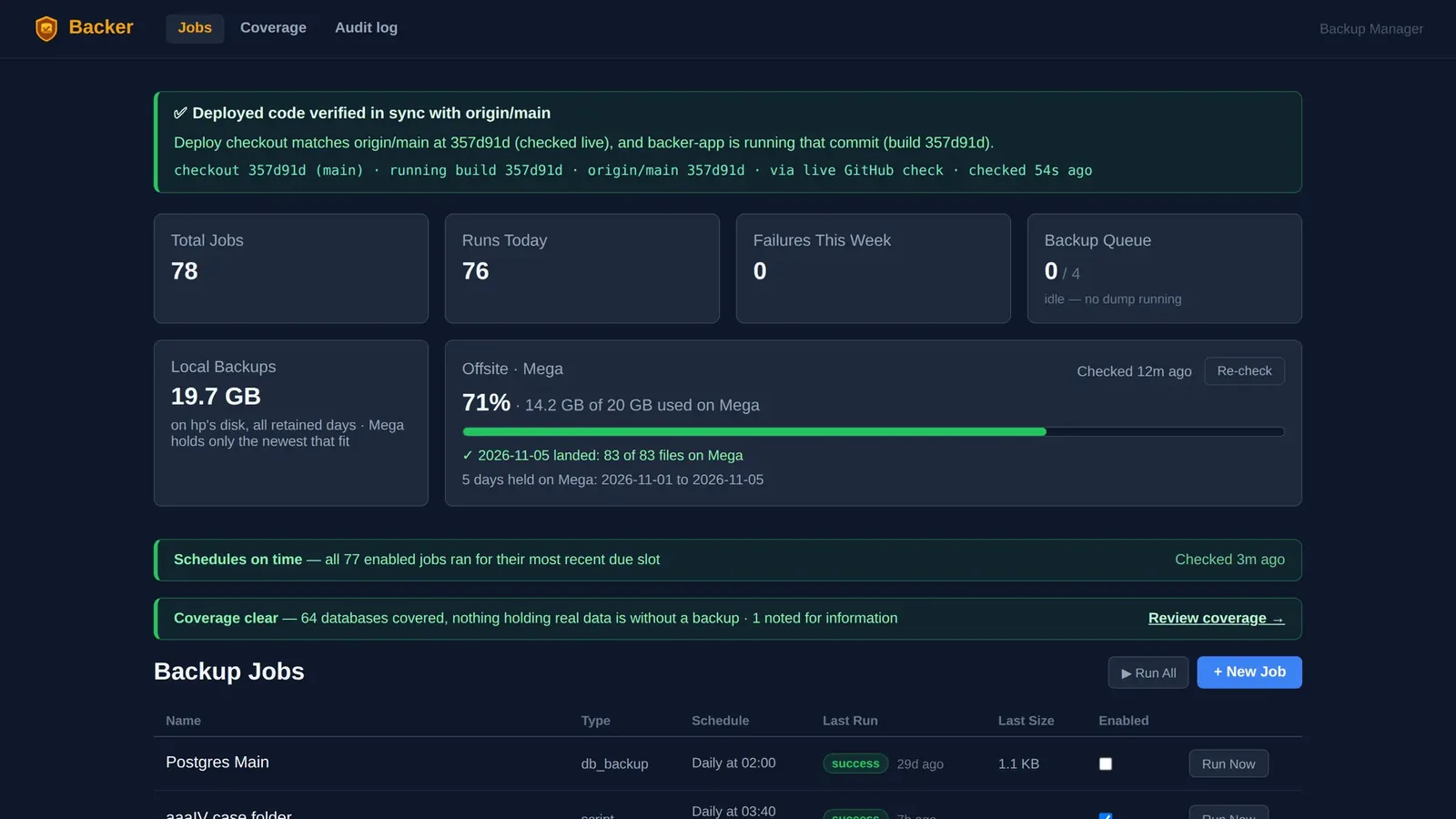
Then it keeps running. heron watches every service and restarts what it safely can, Backer runs the backups, and anything that really needs me pages my phone.

What's new about building this way

Things I do now when I build with AI. Each one comes from my own projects.

  • Working prototypes before the spec

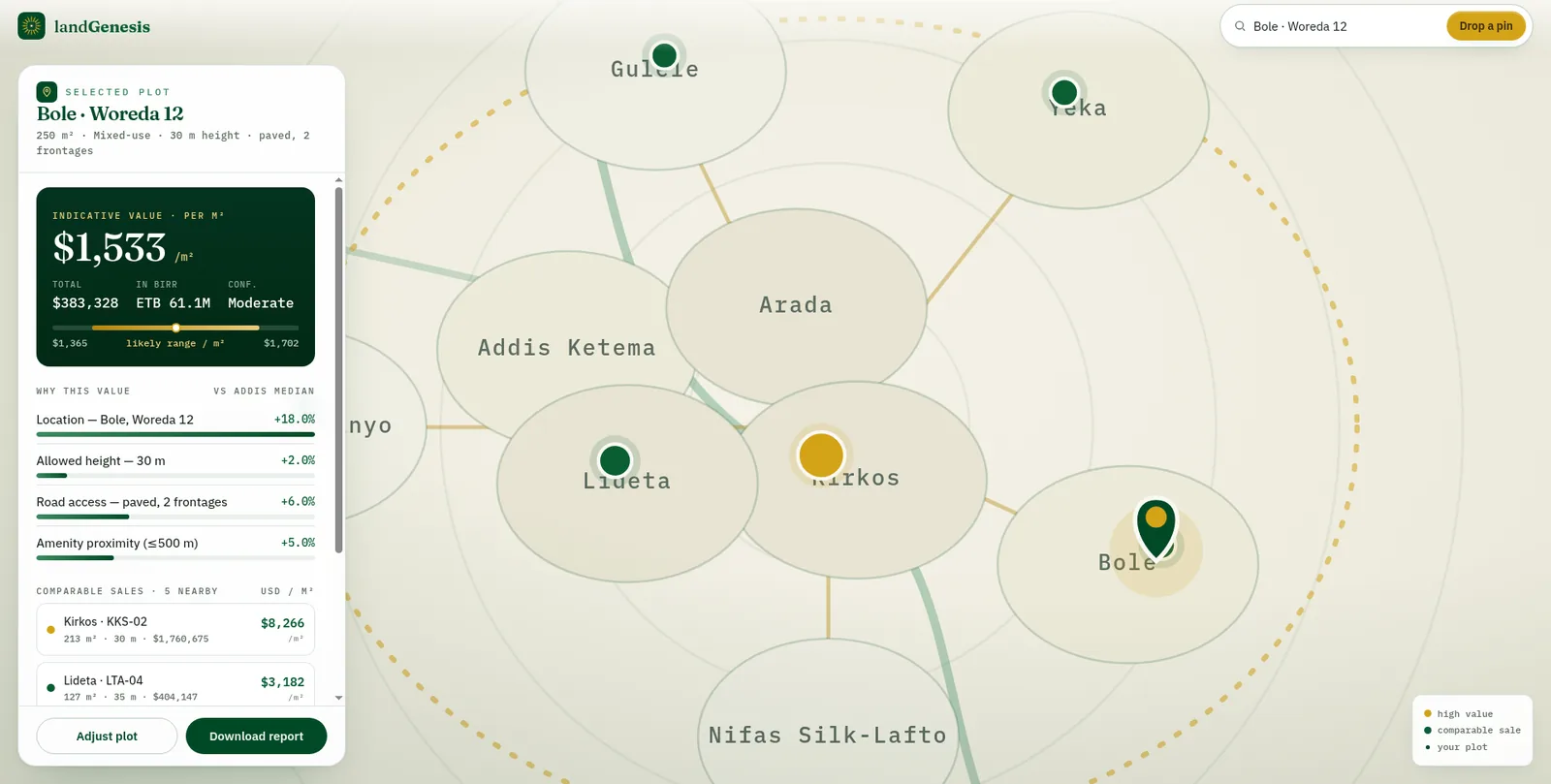
    Anything with a UI or an open UX decision gets 3 to 5 working throwaway prototypes before the spec. I pick one, and the spec describes the winner. On the land valuation tool that was four prototypes on the first day, and the direction was chosen the same day.

    Case study: A land valuation tool
  • Native apps for each platform

    I used Flutter for the cross-platform side. With AI writing the code I don't think I need that compromise, so new Android apps are Kotlin with Jetpack Compose. Thirteen apps moved over in ten days.

    Case study: No more platform compromise
  • One person, many projects at once

    Each project has its own Claude, and Control knows every project. I tell Control what I want, and it turns that into tasks with the same instructions in each project that needs them.

    Case study: From idea to phone
  • Proof before done

    Reading the code doesn't prove an app works, so every Claude gets a screen to try it on. It installs what it built on a browser, a desktop or an Android device and taps through it like a person would.

    Case study: From idea to phone
  • Lessons written down once

    What one Claude learns gets written down in docVault, and every Claude reads the rules at the start of a session. Findings that keep recurring become rules.

    Case study: Staying in charge
  • Checks that run on their own

    Base images are rebuilt from upstream every Sunday, every running image is scanned daily, restores are tested, and anything that really needs me pages my phone.

    Case study: Keeping code and systems safe

Case studies

Seven pieces of work in more detail: the situation, what I did, the result, and what I think a team can take from it.

Selected work

Products built for people first, then the tooling behind them. Anything marked demo runs on made-up data.

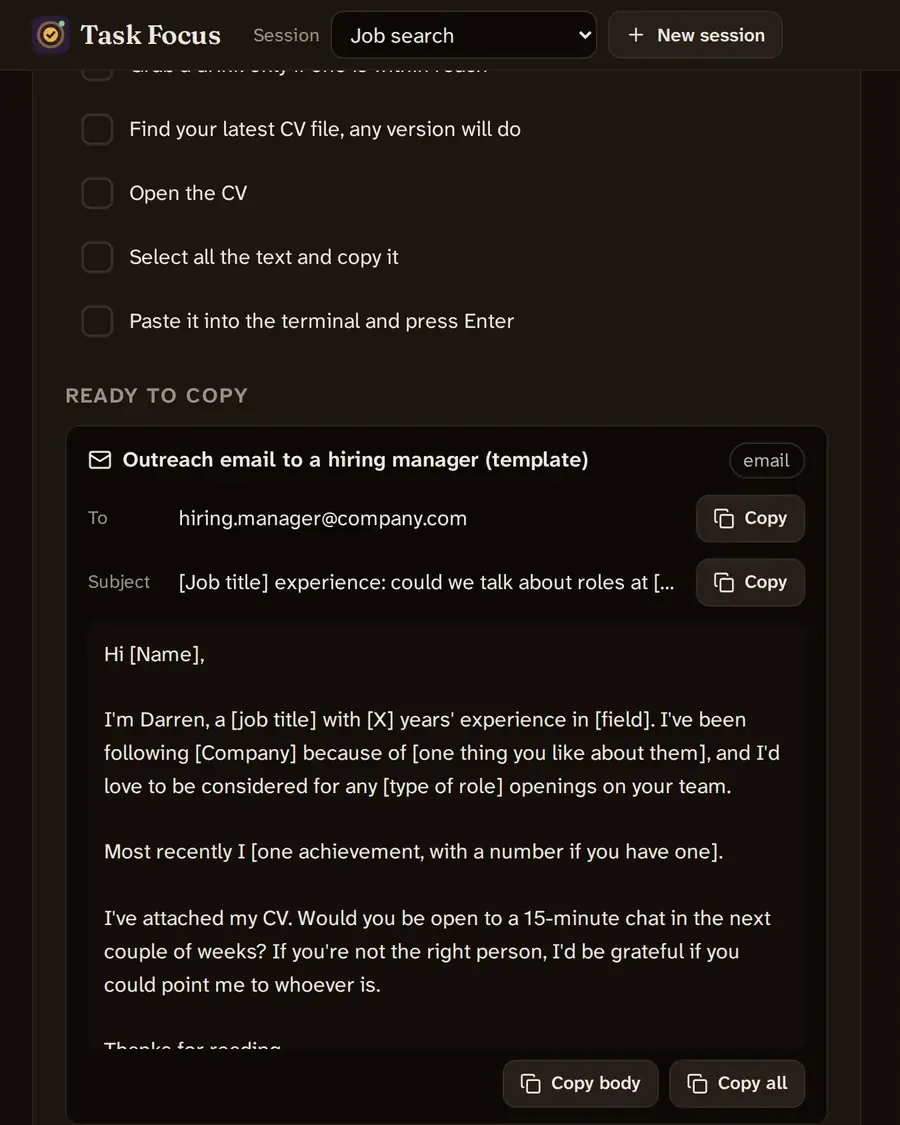
Task Focus

Demo, test account

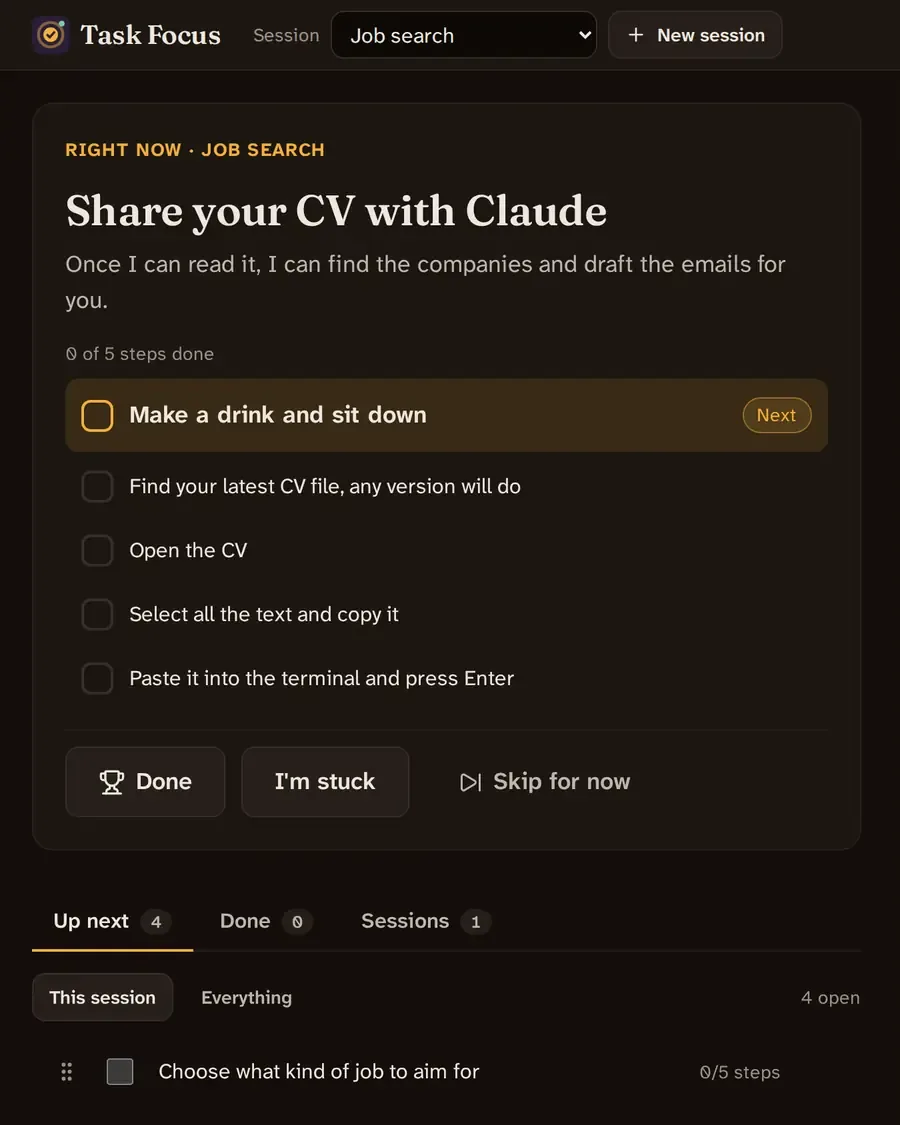
A calm screen for the jobs I keep avoiding, with an AI coach beside it. It shows one task, in steps small enough that the first takes no willpower.

Press "I'm stuck" and the coach swaps that step for smaller ones. No streaks, no guilt, no red for overdue.
Career Compass

Demo, made-up person

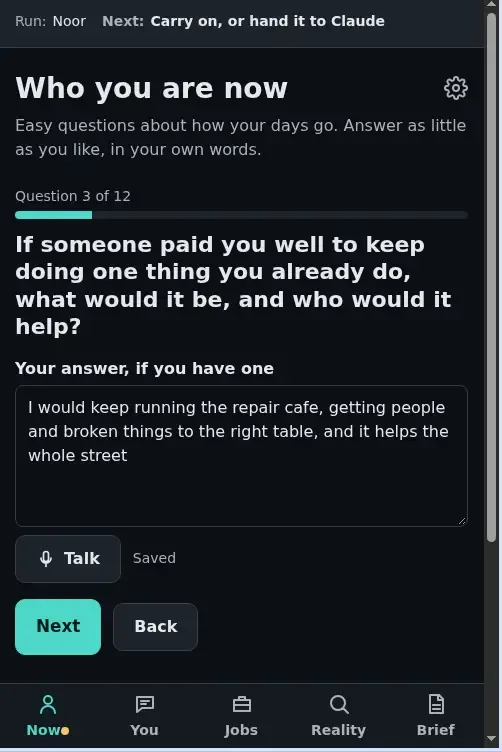
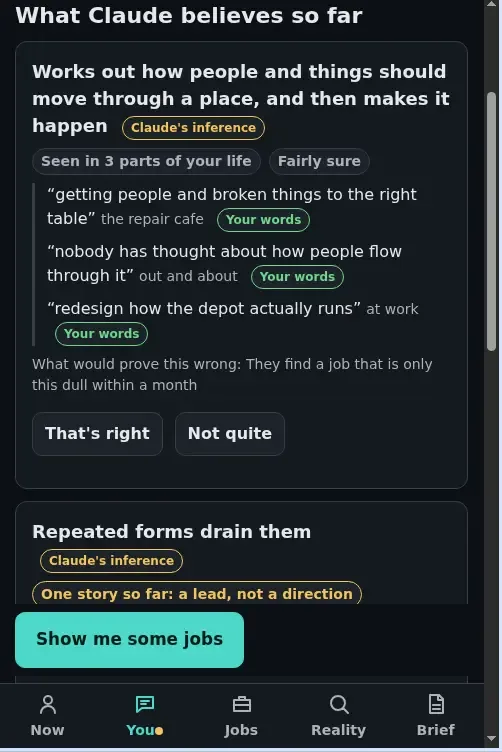
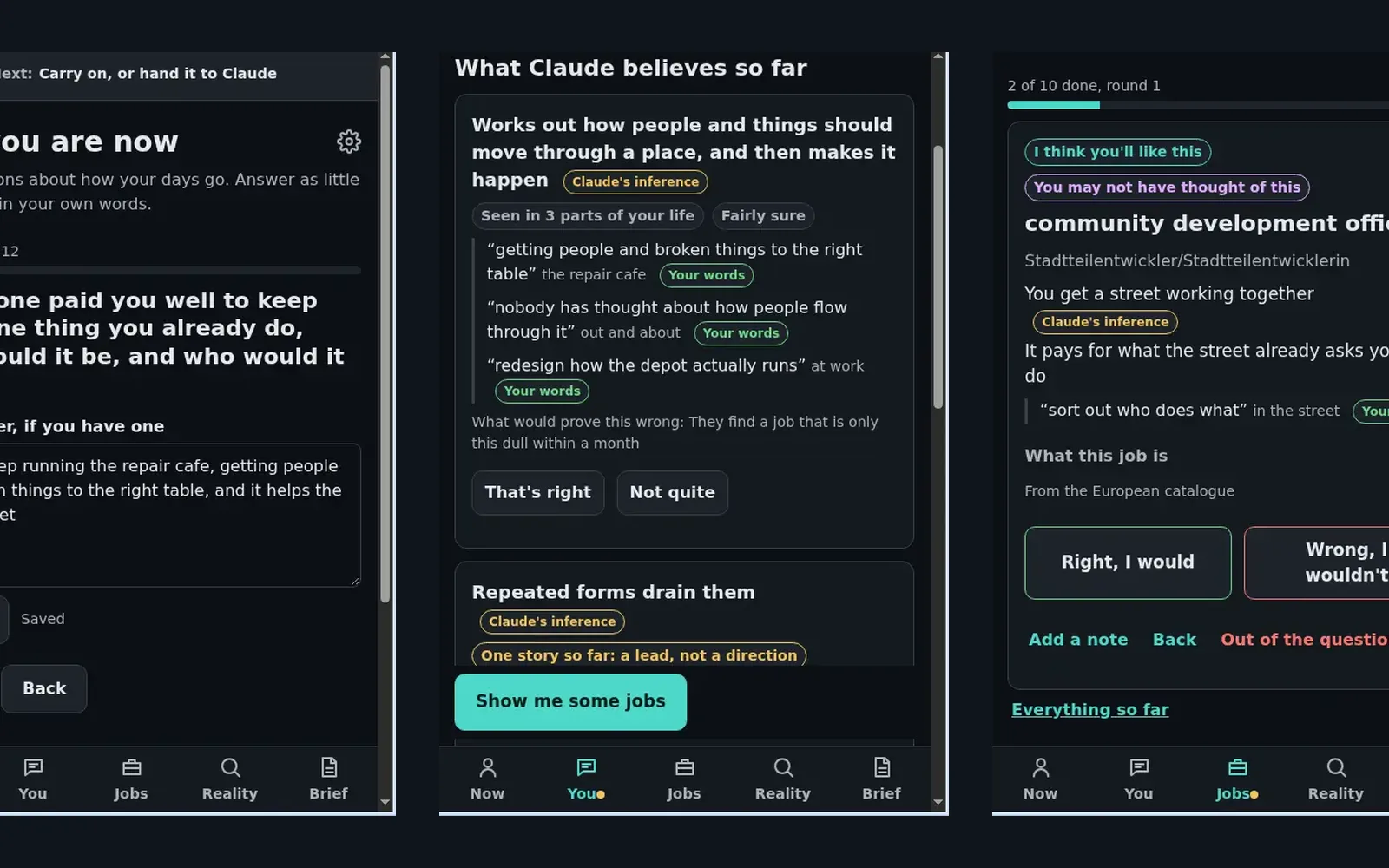
For people with a lot of skills who are changing direction. Easy questions about how their days go, answered in their own words.

Every line it says about you is marked "Your words" or "Claude's inference", and each belief says what would prove it wrong.

More about Career Compass

Pulse

Demo

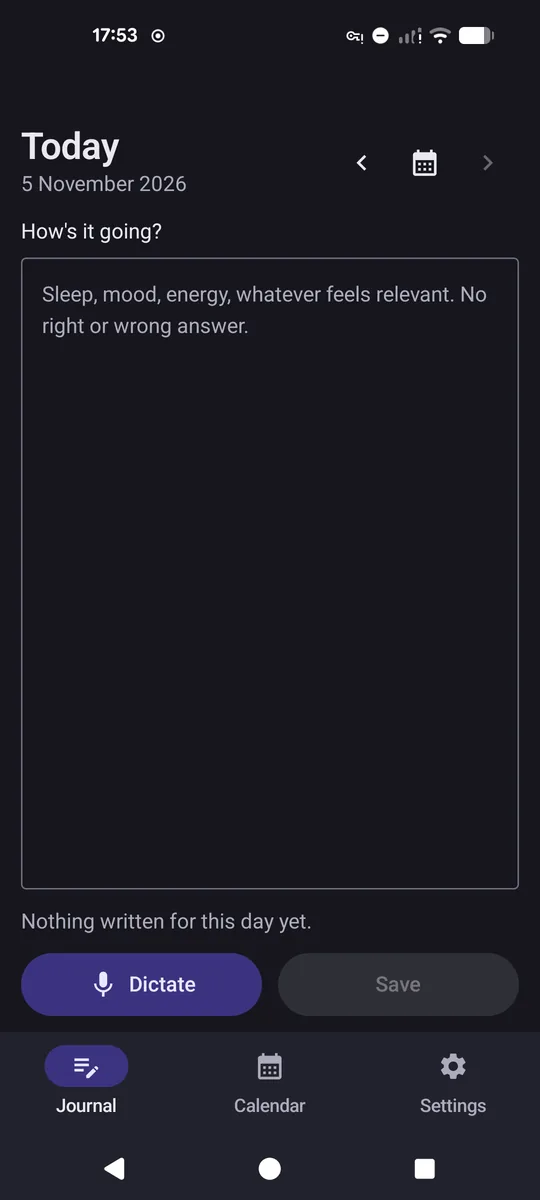
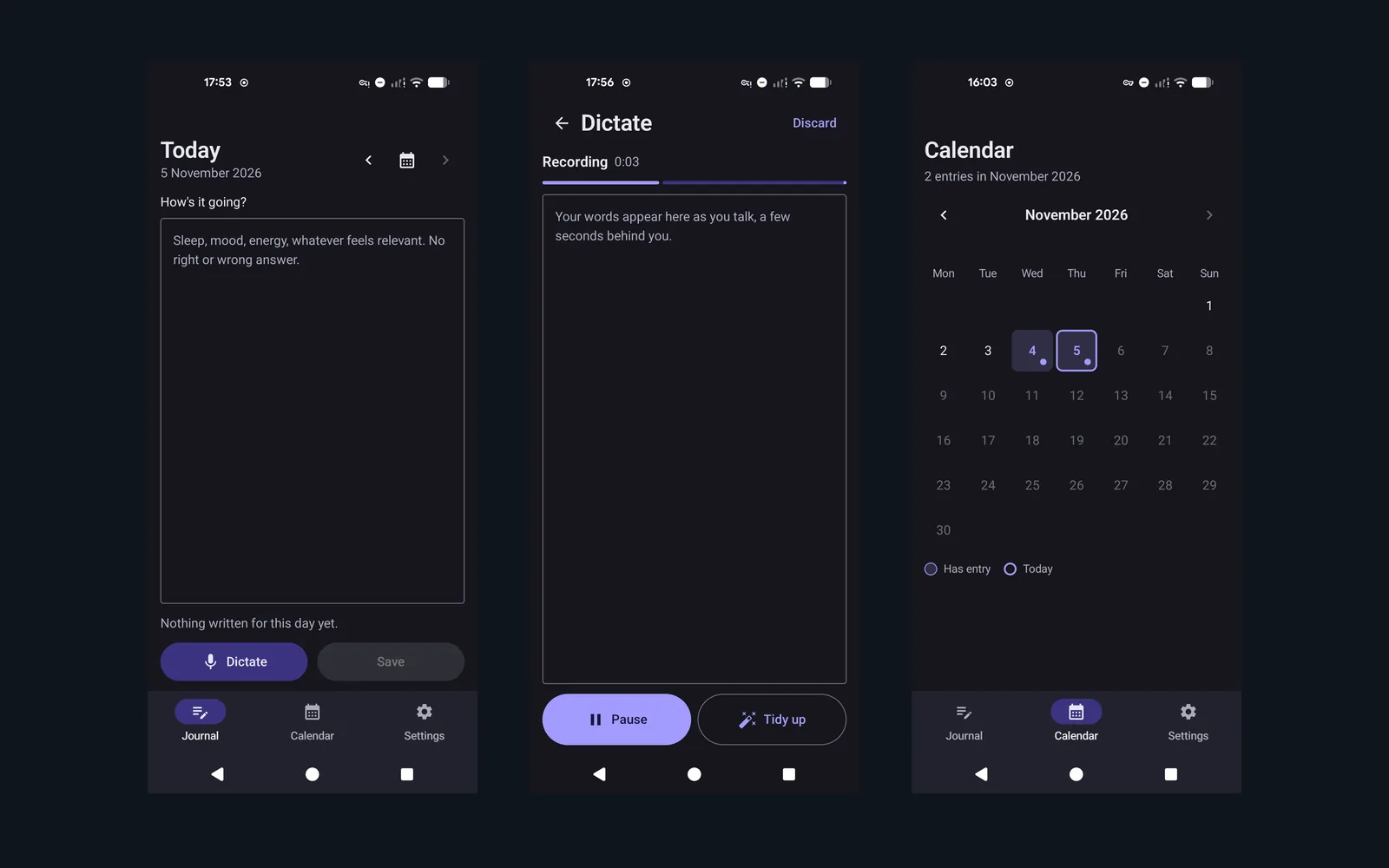
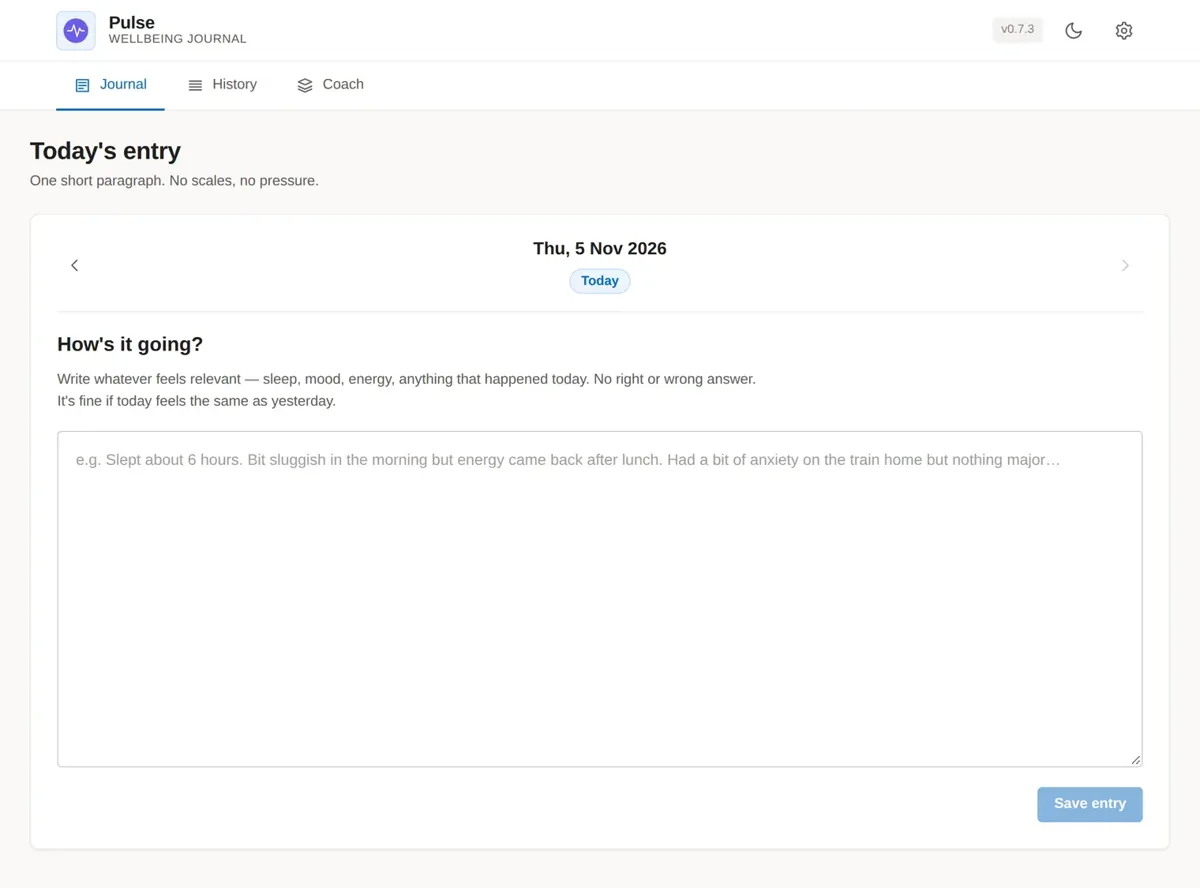
A daily journal for people rebuilding their working life with a coach. One text box a day: "How's it going?"

At the end of the period AI writes the person's own section of the coach's report, only from what they said.

More about Pulse

Kraftspur

Demo data

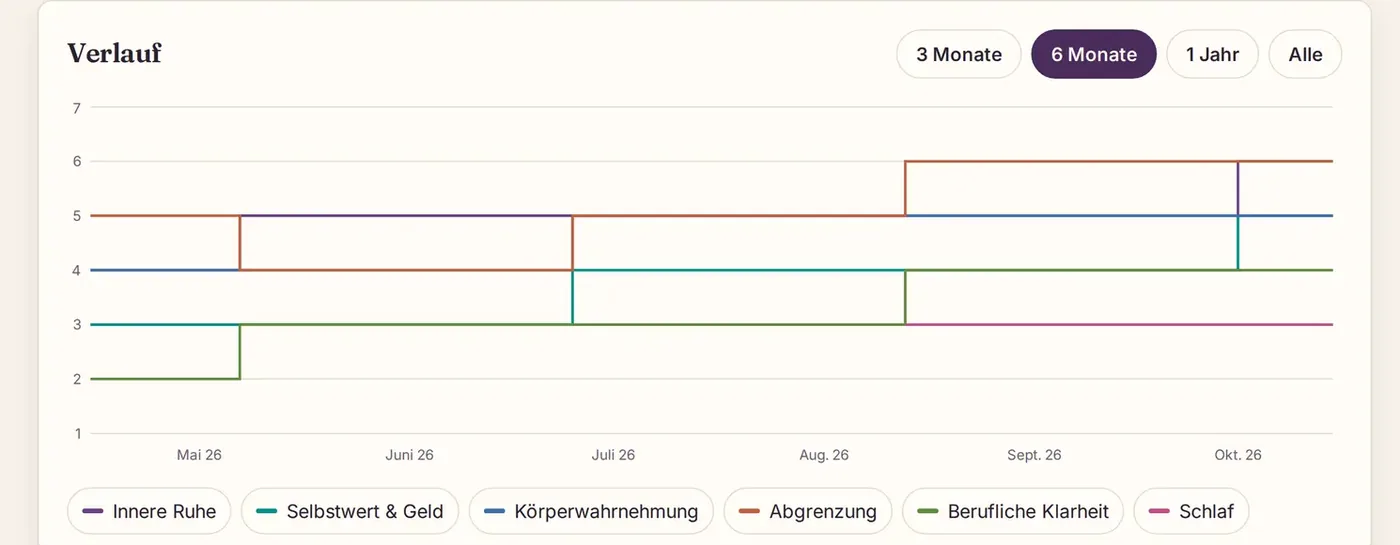
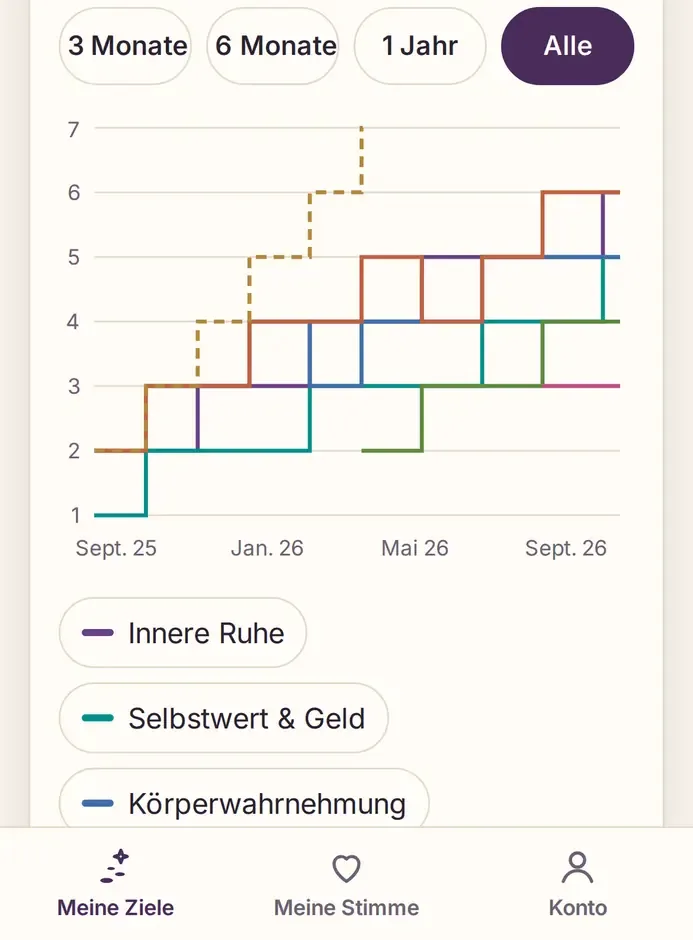
A portal for a working coach and their clients, in German. Clients see their goals move over months, scored from 1, very hard, to 7, resolved.

The coach sees the same history. A step back is shown plainly. It's information.

roamPlay

In daily use

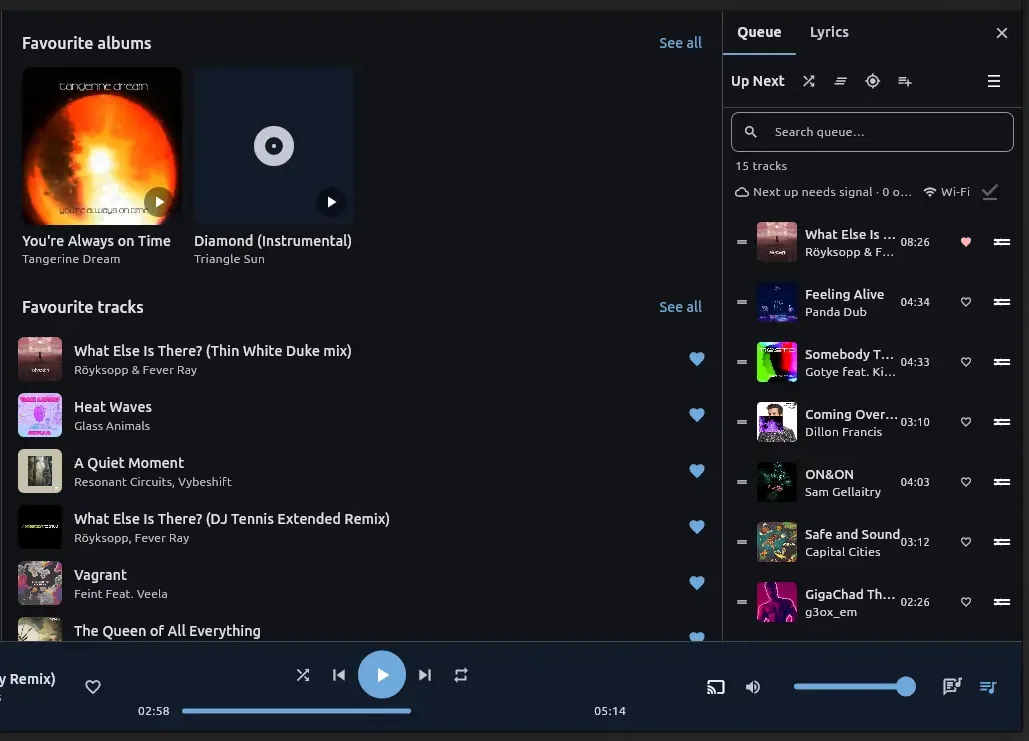
My own music player, on my TV computer, laptop, desktop and phone.

All four stay in sync, so I can stop listening in one place and pick up in another. It keeps playing offline on the phone.

More about roamPlay

Get in touch

If you'd like to work together, whether that's a role, client work or teaching, email is the quickest way to reach me. LinkedIn works too. I'm based in Zürich and time-zone flexible.